 Parks of Croatia
 EU projects
 English
SILVER PHOENIX CHICKEN
Gallus gallus domesticus
CLASS AVES
ORDER GALLIFORMES
FAMILY PHASIANIDAE
DID YOU KNOW?
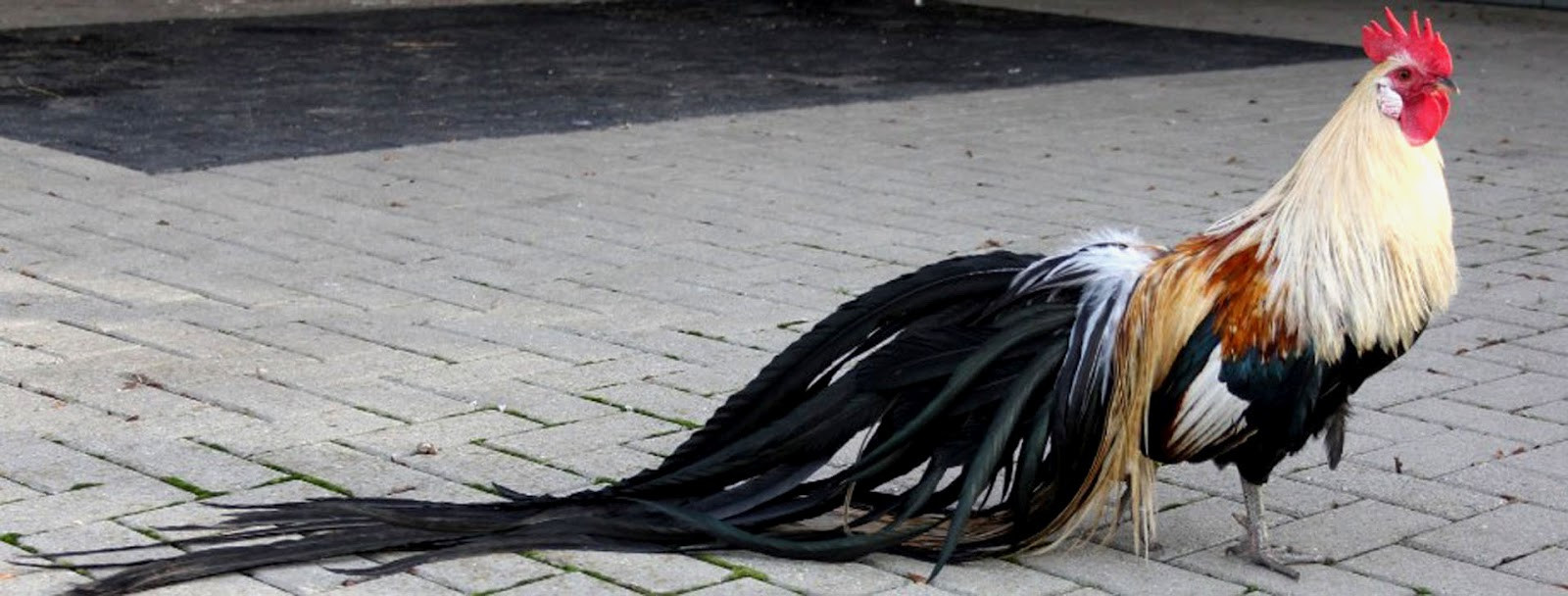
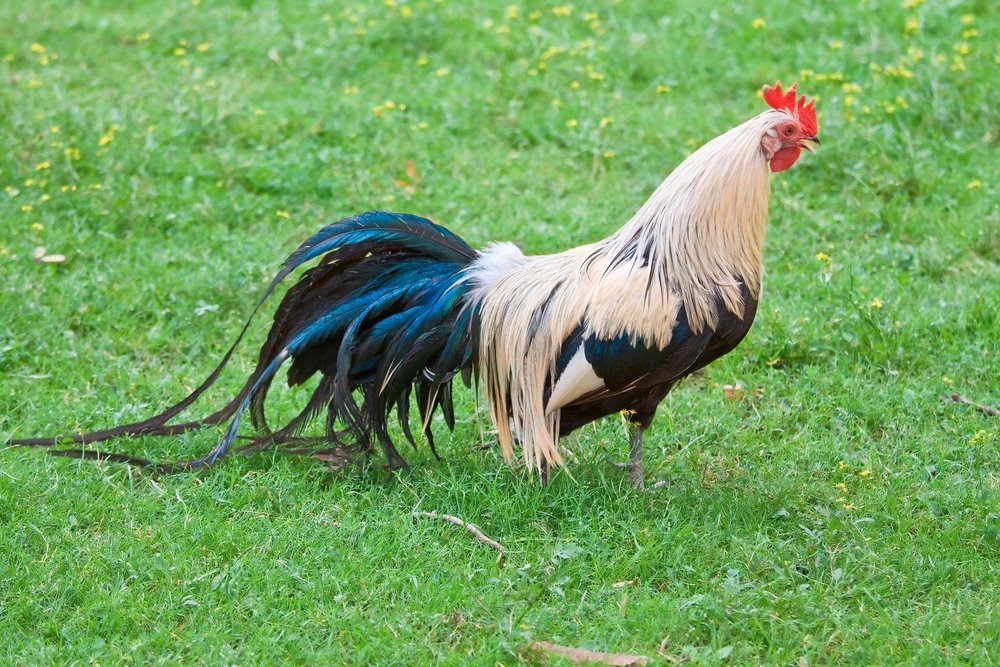
The phoenix chicken comes in several colors of which in Bird Park of NP Brijuni you can see a silver phoenix.
Origin of the breed: when traveling to Japan Europeans saw Onagadori chicken, which they liked, therefore they took some of them back to Europe. Due to the cold weather many of them got sick and died. Then the idea arose to cross breed Onagadori chickens with several breeds that can tolerate cold weather, and and that is how phoenix chicken breed was made. It owes its name to "rising from the ashes", i.e. successful survival through hybridization, after the original newcomers had mostly died.
Phoenix chicken is used as ornamental and exhibition species because they have decorative tails, which can be quite long. The length of the tail is created under the influence of a gene that prevents the annual molting, i.e. the change of feathers. They inherited their interesting tail from their ancestors who did not survive in Europe.
DISTRIBUTION
It is a domestic breed – a small population is bred all over the world.
HABITAT
Chicken coops and similar enclosures.
LIFETIME
5-8 years.
ACTIVITY
The phoenix chicken is an exhibition species, which needs a bit of space to roam around. It's very social, with a pheasant-like appearance. Only males have a prominent tail. They like to rest on high branches, which is why they need elevated spaces in their enclosures, as they can take off quite easily. This is especially necessary for males, in order to minimize the accumulation of dirt on their tails, which they cannot raise. As with most chicks, there is no difference between males and females, but as they mature, the sexual dimorphism becomes distinctly clear. The growth of feathers depends on temperature, light, diet, and hormone production. During tail growth, they need a protein supplement in their diet, because feathers are made from a structure protein keratin.
REPRODUCTION
They do not produce a large amount of eggs (52 - 126 per year). The eggs are small and tinted, and the females are usually caring mothers.
DIET
Omnivores: cereals, vegetables, fruits; insects, invertebrates and some other small animals.
CONSERVATION STATUS
Not listed on IUCN Red List of Threatened Species, but watched by non profit organisation (Livestock Conservacy) – fewer than 10.000 left worldwide.
Tekst: Dorotea Ćosić
Doprinos: Francisca Lopes