 Parques de Croacia
 Español
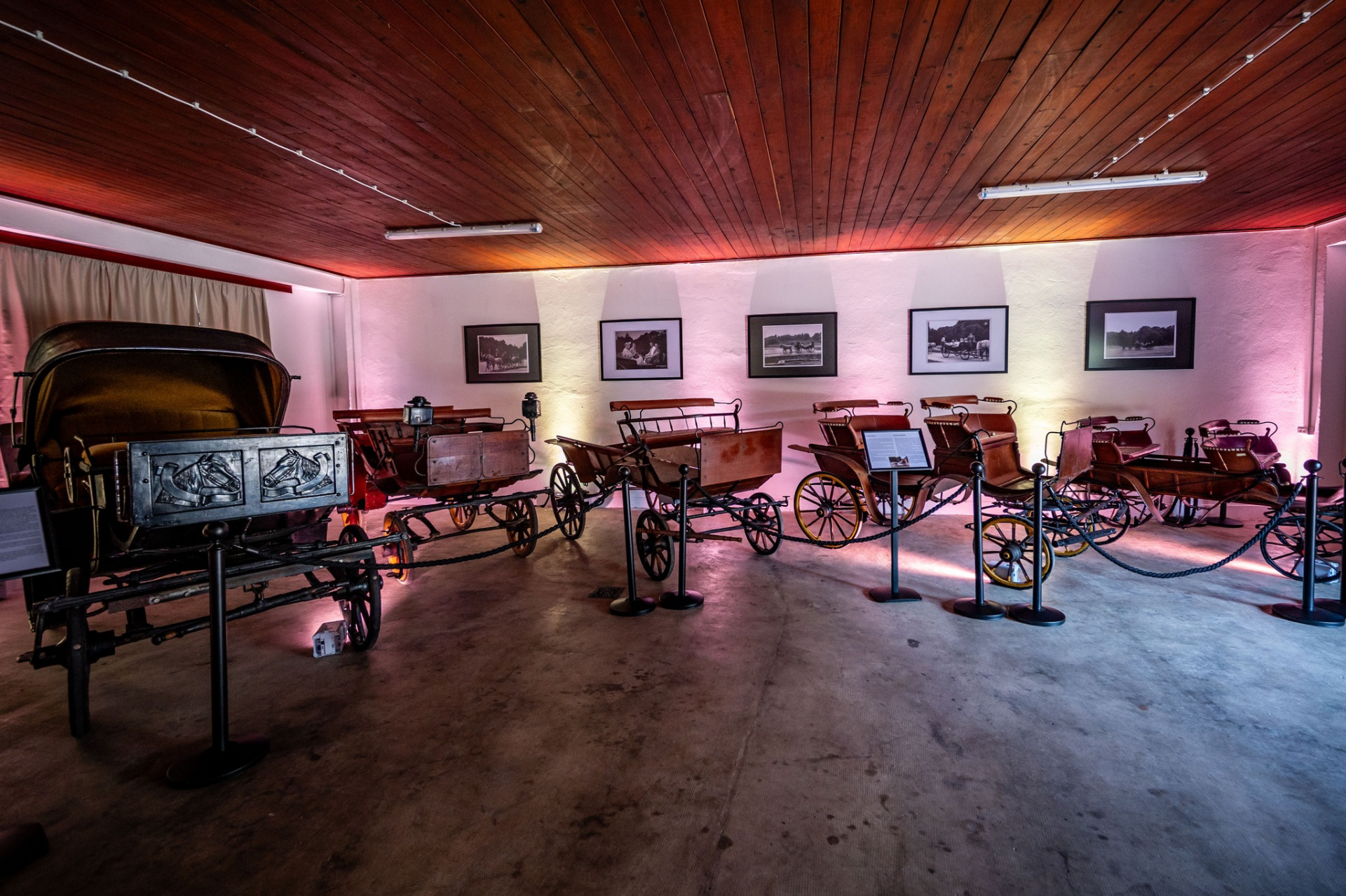
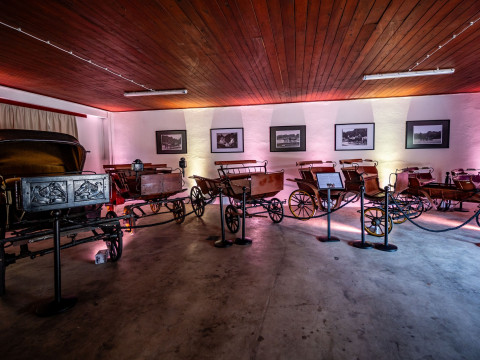
During the summer of 2025, an exhibition of carriages was opened in Brijuni National Park, located in the immediate vicinity of the former stables.
The tradition of carriage driving on Brijuni dates back to the late 19th and early 20th centuries, when this mode of transport was still commonplace. Thanks to the then owner of the islands, Paul Kupelwieser, Brijuni developed into a renowned tourist destination, with carriage rides forming an integral part of its rich tourism offer.
In the early years of tourism development on Brijuni, carriages played a significant role. Many Austrian visitors traveling south from Vienna by train would arrive in Vodnjan, from where they continued by carriage to Fažana, and then by boat to the Brijuni archipelago.
Guests could also enjoy carriage rides on the island itself, taking in its enchanting landscapes while breathing the fresh air filled with the scents of Mediterranean vegetation. Numerous trails and carriage roads were constructed to ensure a comfortable and pleasant tour of the islands for visitors, many of whom were distinguished figures and aristocrats.
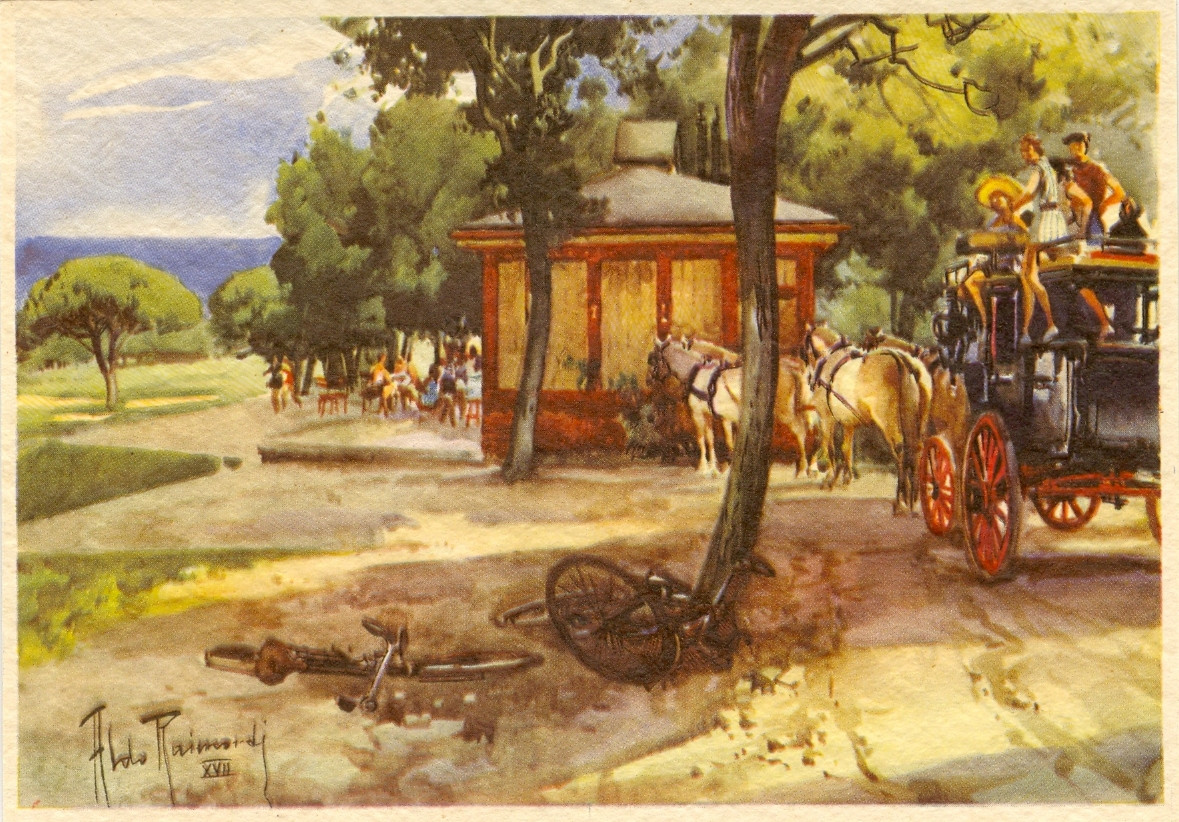
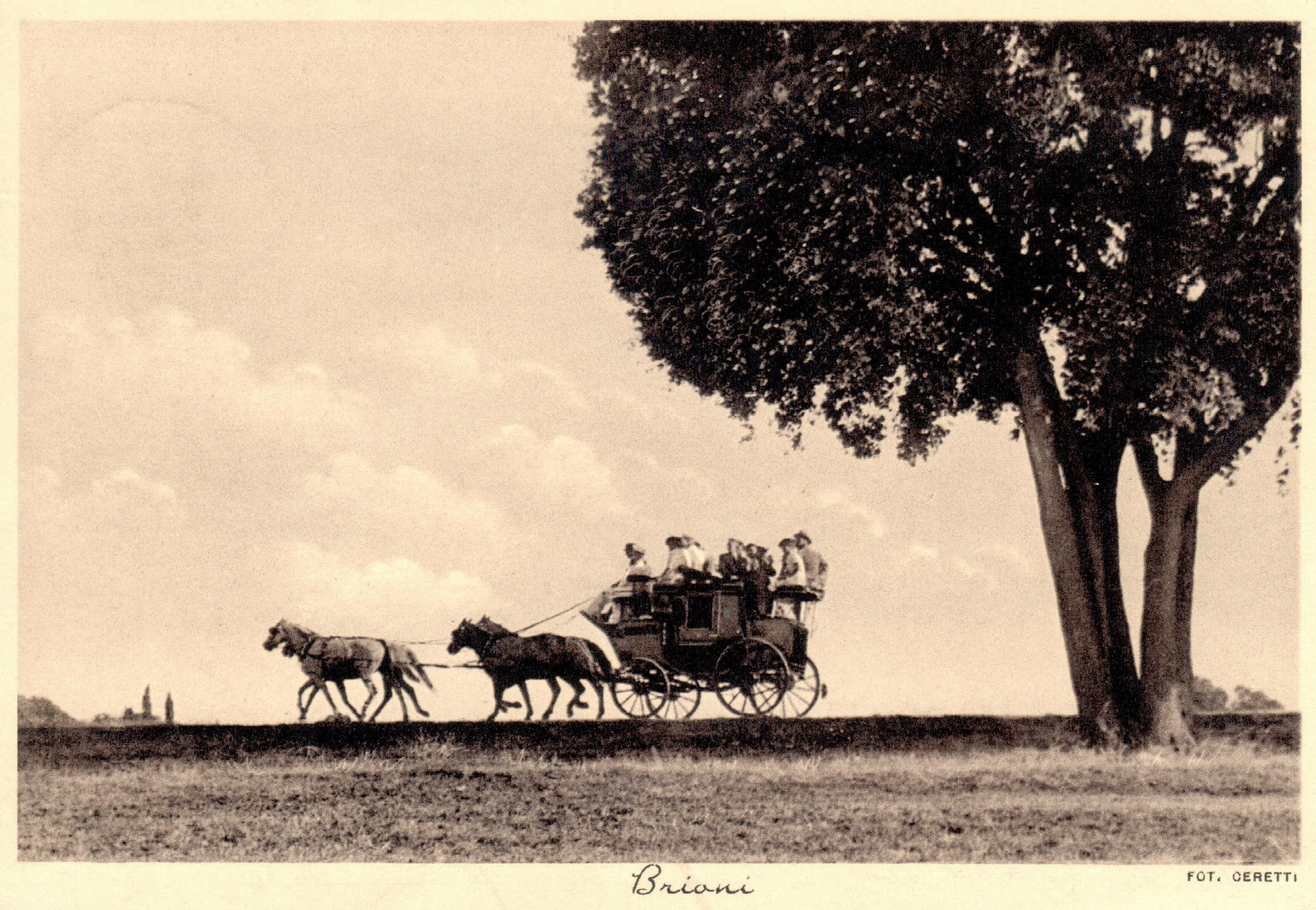
During the 1920s and 1930s, carriages continued to be used for four-horse excursions as well as for transporting guests to polo fields, where matches of this then highly popular and attractive sport were held. A postal carriage drawn by four horses was used for transport, capable of accommodating a larger number of passengers.
Today, nine carriages are preserved on the island. Although they date from the late 19th and early 20th centuries, most arrived on Brijuni at a later time. They were transported, purchased, or received as gifts for the former President of Yugoslavia, Josip Broz Tito, and from the 1950s onward were used for protocol purposes to transport guests. Numerous associates and visitors of Tito rode in these carriages, including many statesmen, kings, emperors, and members of their families.
One of the most fascinating aspects of the Brijuni carriages is their diversity—from simpler hunting carriages to elegant civic models and luxurious types favored by the aristocracy.
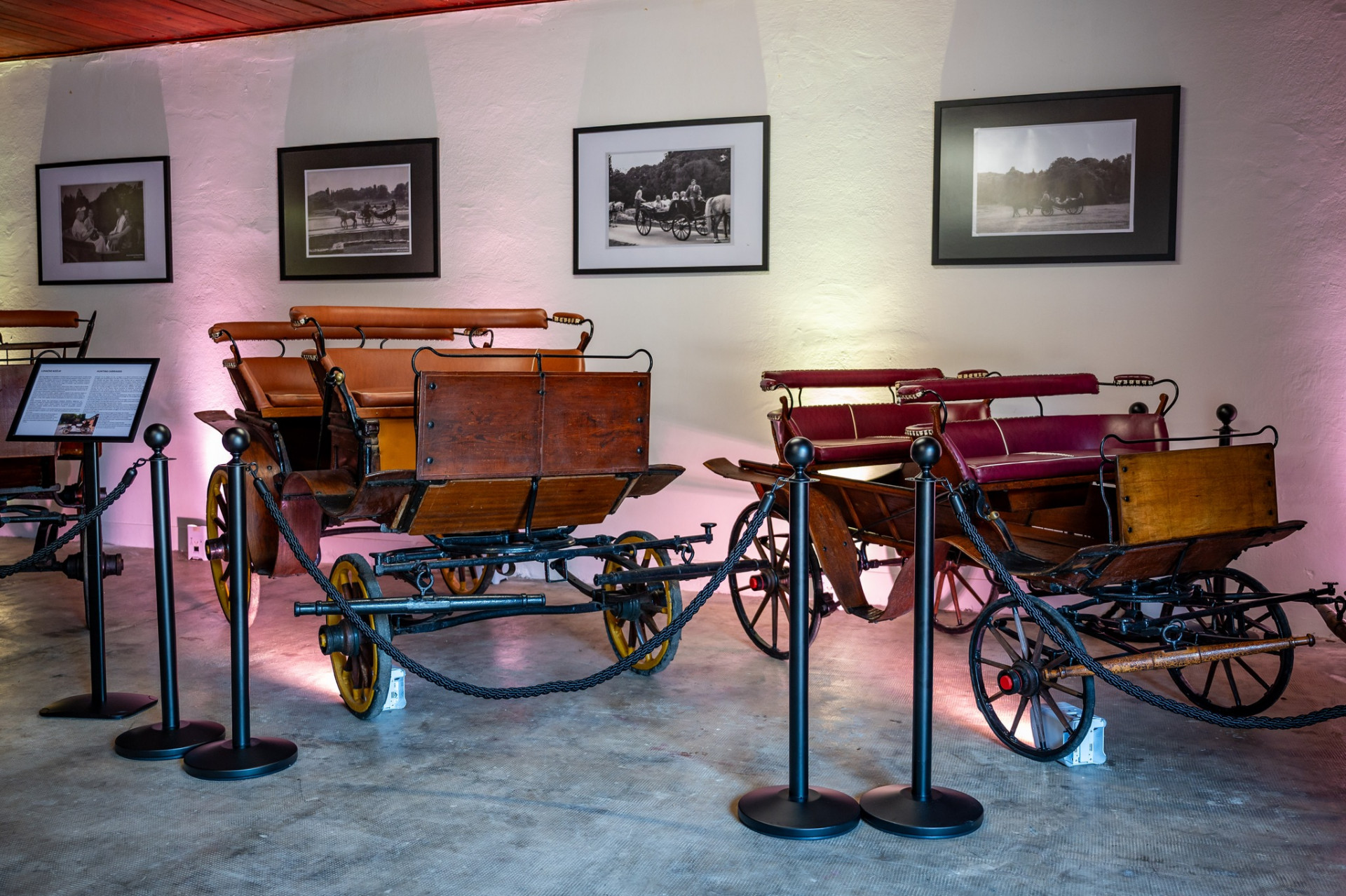
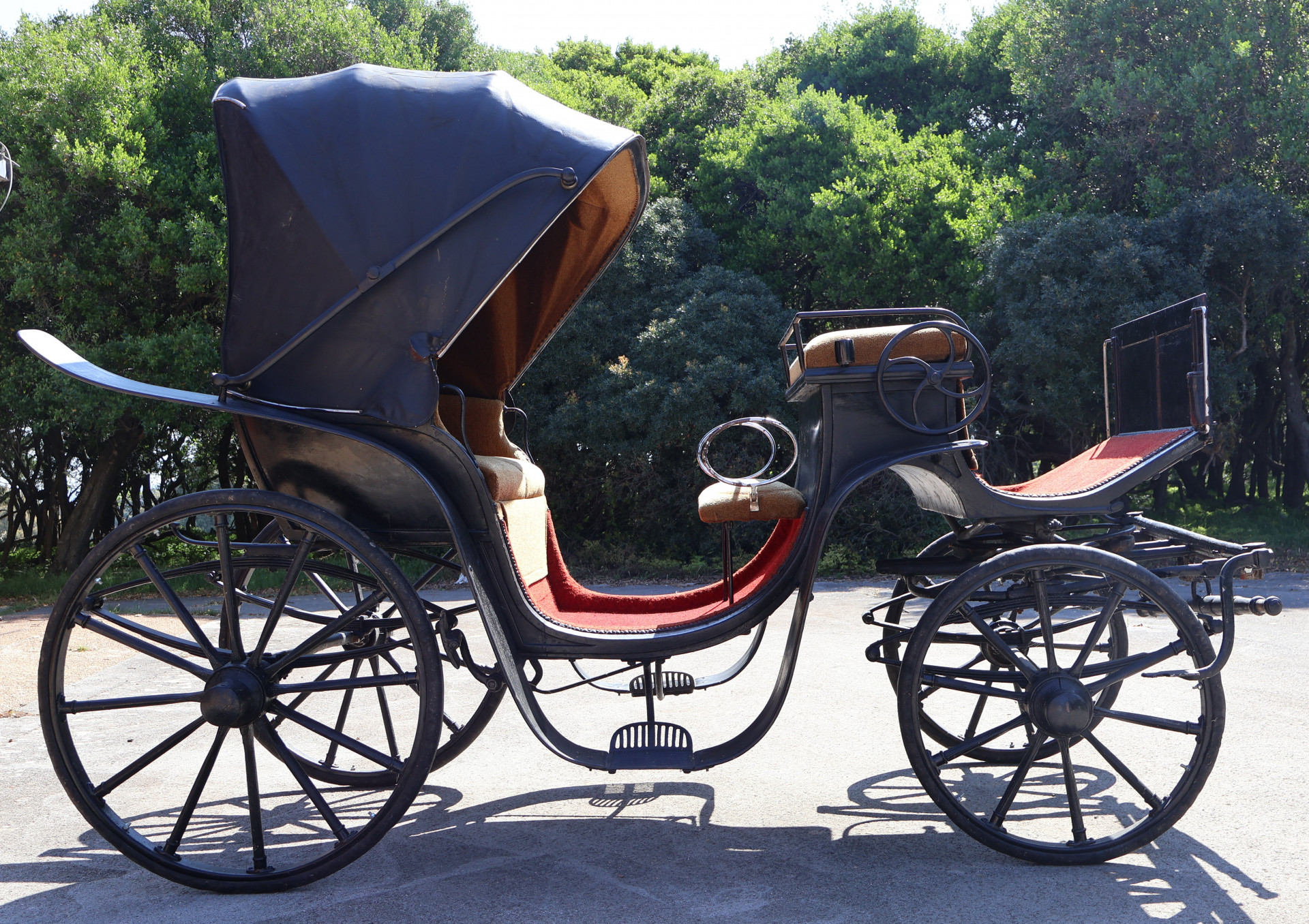
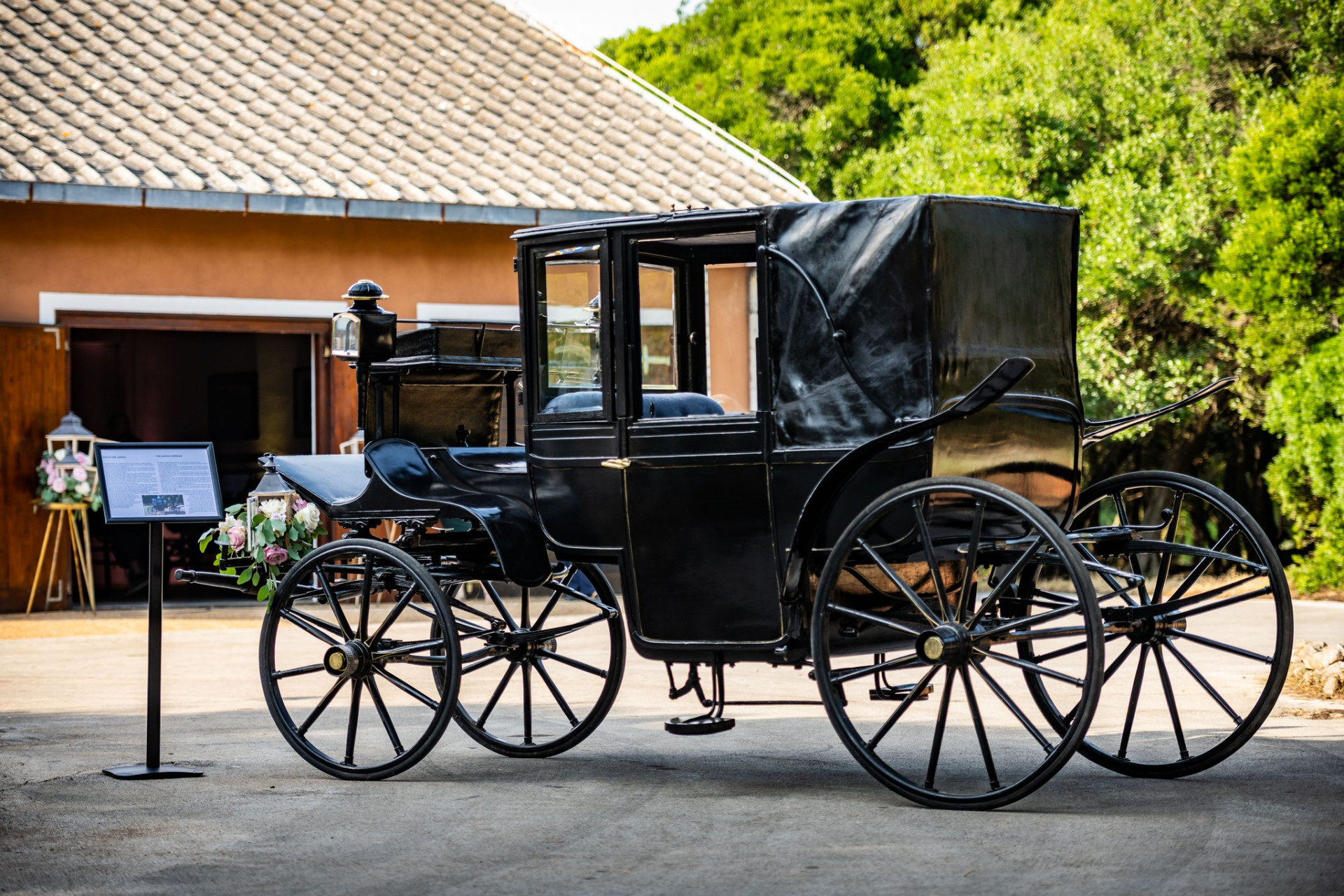
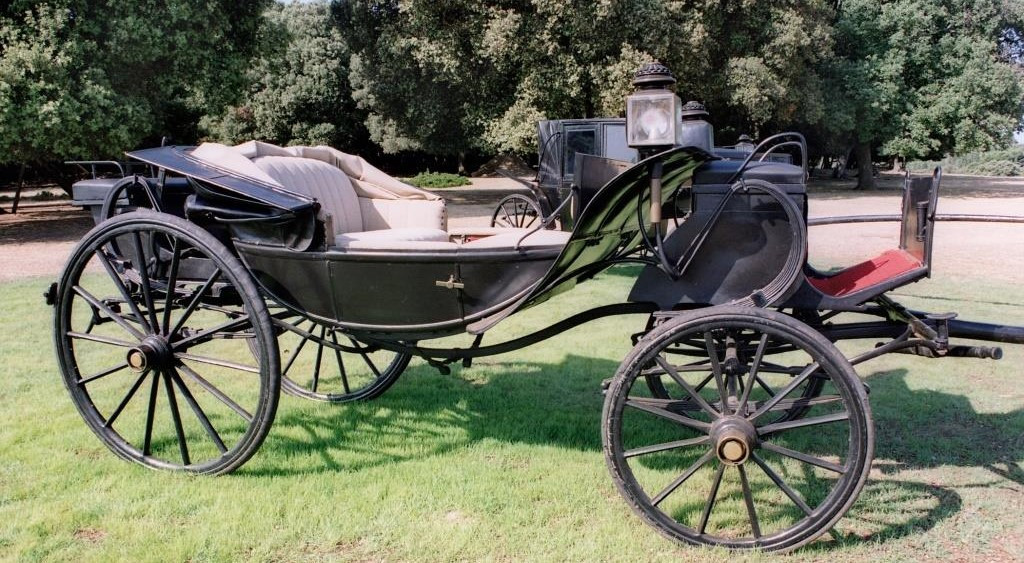
The exhibition features nine carriages: four hunting carriages, two Victoria-type carriages, and one each of the Milord, Landau, and Barouche types.
One of the most impressive is undoubtedly the Landau carriage, likely named after the town of Landau in western Germany. Dating from the late 19th century, it was primarily used as an urban vehicle. Its distinctive feature is a cabin with a folding roof that opens in two sections. In fine weather, passengers could enjoy the sunshine, while in rain or wind the roof could be closed, offering full protection. As it lacks space for luggage at the rear, it was mainly used for shorter city rides. Its characteristic square lanterns, black exterior, and subtle gold detailing give it a particularly elegant appearance.
Victoria carriages were a popular choice for transporting Brijuni guests, both for formal protocol rides and more relaxed tours of the islands’ cultural and natural heritage. Named after Queen Victoria, for whom it was a favorite, this carriage type became highly fashionable among European aristocracy and the affluent classes. It is a very comfortable and elegant carriage, ideal for ladies of high society—the low entrance and folding roof made it perfect for daytime rides through parks, short visits, or showcasing fashionable attire while driving through town.
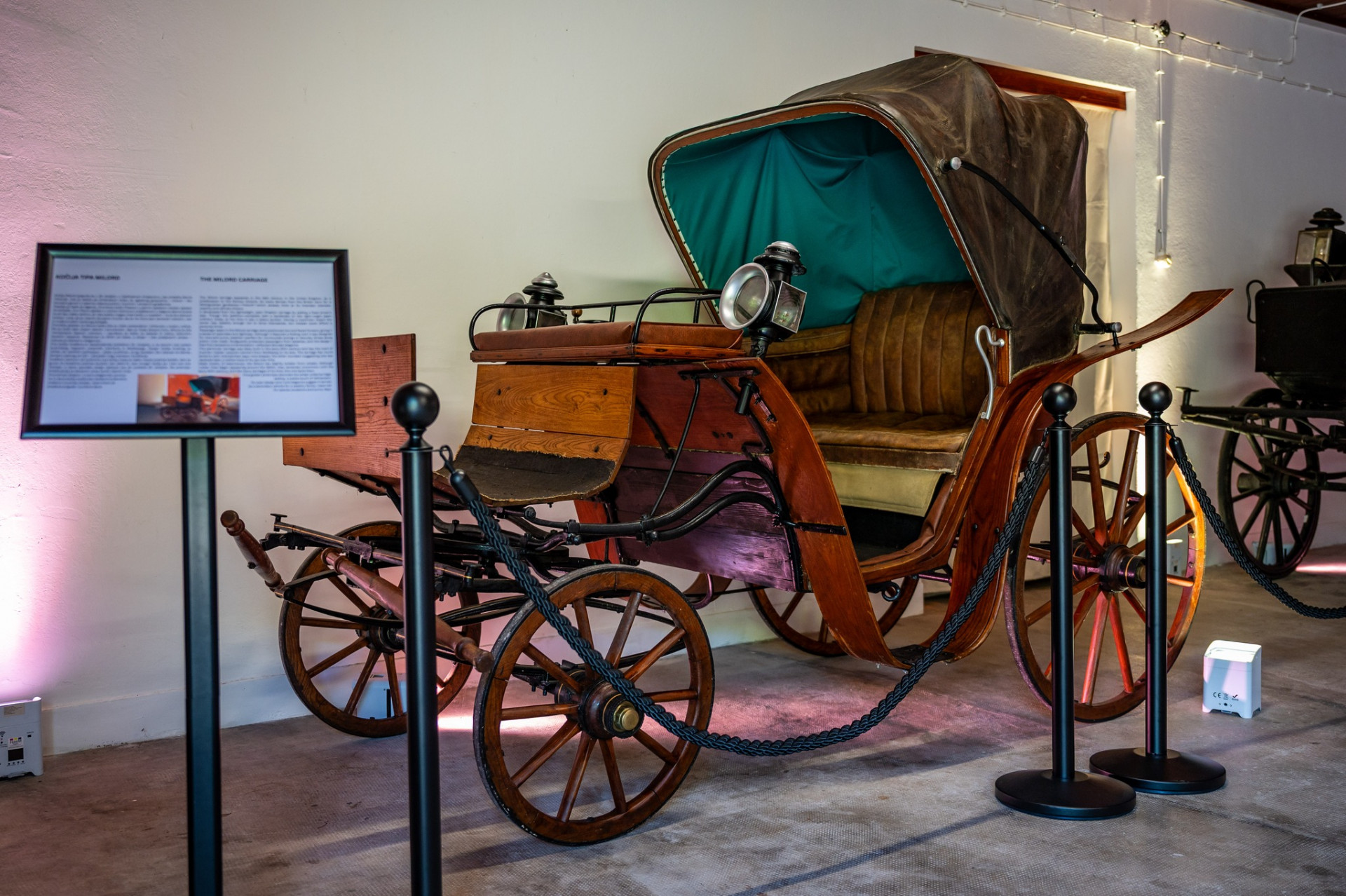
The predecessor of the famous Victoria was the Milord carriage. It evolved from a light, open phaeton carriage with a single seat, to which a coachman’s seat was later added. While this fixed seat with a hand brake may seem ordinary, owning a carriage with a driver was a status symbol, indicating wealth and the ability to employ a personal coachman. Although it featured a folding roof, the Milord was intended for fair weather—ideal for countryside excursions and scenic rural drives.
The Barouche carriage embodies the aristocratic splendor of the 19th century. One of its wheels bears the inscription of the workshop of Sebastian Armbruster from Vienna, who produced carriages for the imperial family; some of his works are still preserved at Schönbrunn Palace today. Designed with two opposing seats (vis-à-vis) for four passengers, only the rear seat occupants were protected by a folding roof. The Barouche was perfect for spring and summer rides through parks and served not only as an ornament on Brijuni but also as a principal protocol vehicle. From the 1950s onwards, alongside President Tito and his wife, many historical figures rode in it, including Eleanor Roosevelt, Egyptian President Nasser, the Duke of Luxembourg, Queen Juliana of the Netherlands, and others.
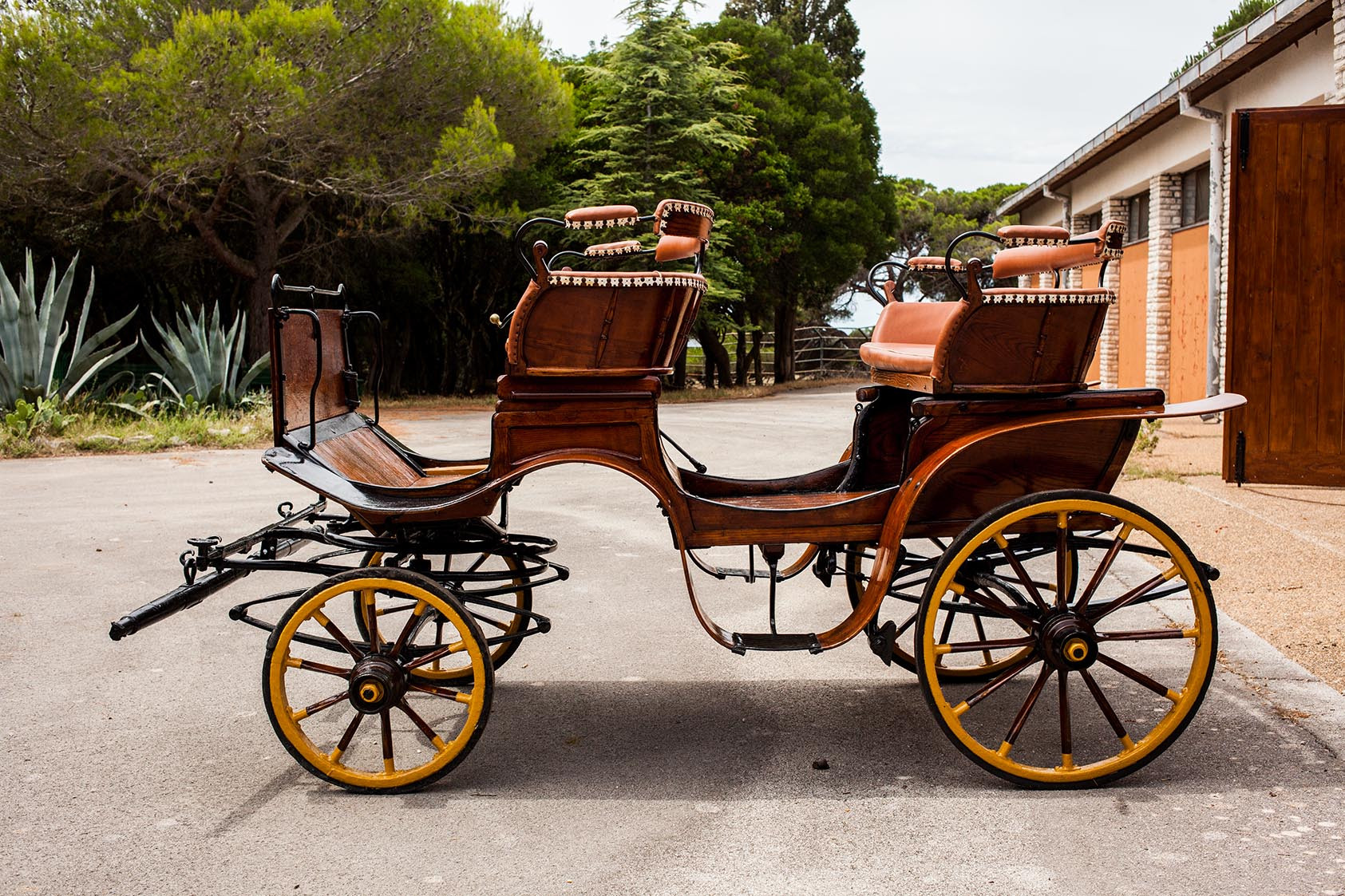
Hunting carriages may not be as refined as urban or ceremonial ones, but they were indispensable in the daily life of wealthy estate owners. Of the four hunting carriages on Brijuni, two have been restored. The larger one, bearing the mark of Sebastian Armbruster’s renowned Viennese workshop, is associated with the imperial court. The smaller carriage, similar in craftsmanship and design, may also originate from the same workshop and could have been used as a children’s carriage for rides around parks and estates. Although simple in design, Brijuni’s hunting carriages exhibit a certain elegance as well as practicality. Their seats are upholstered in artificial leather with white trim, while the wheel rims are highlighted in ochre yellow. They lack a separate coachman’s seat, as well as lanterns and a roof, indicating their primary use for daytime rides in favorable weather.
Although no longer used as a means of transport, the Brijuni carriages stand as a testament to their diverse historical functions and exceptional craftsmanship, revealing a rich cultural, social, and technical heritage.
Text: Snežana Smolić
Photos: Nataša Sundara, Brijuni National Park Photo Archive